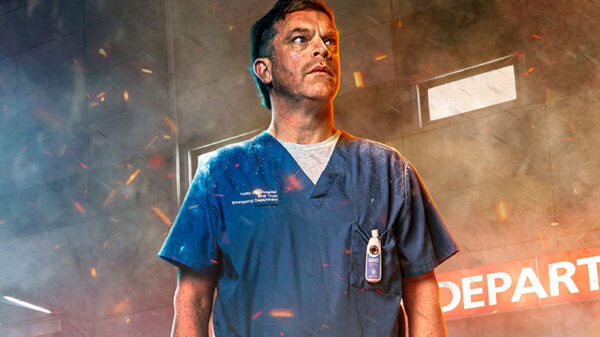




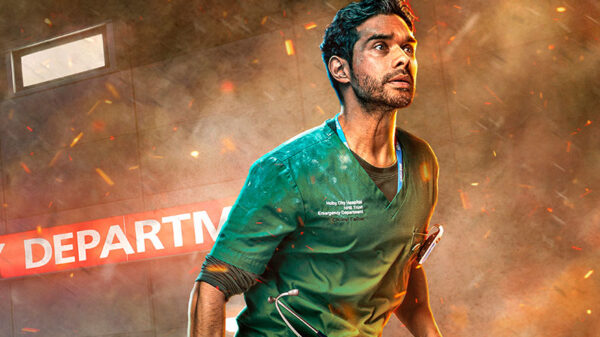
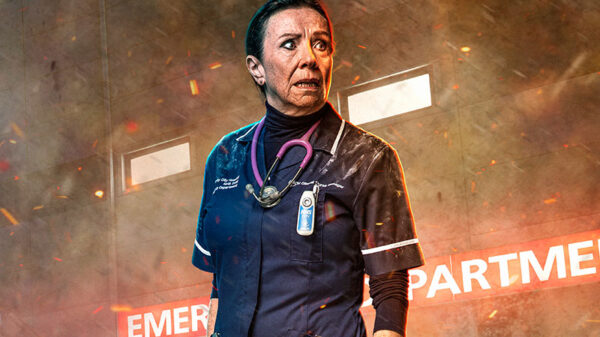


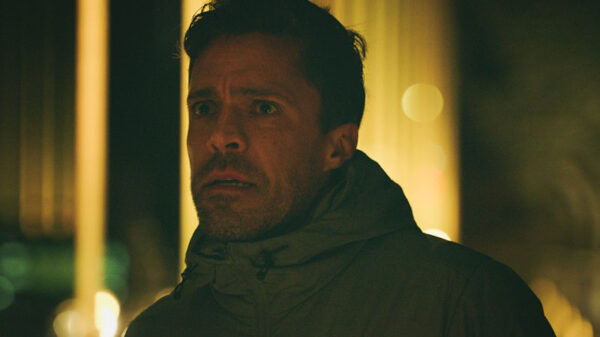
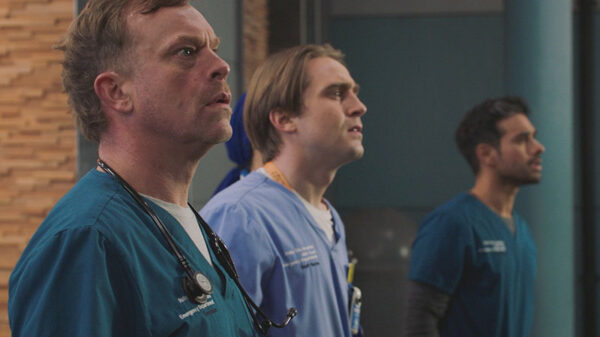






























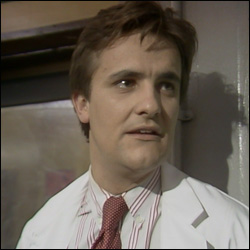














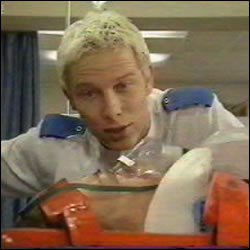









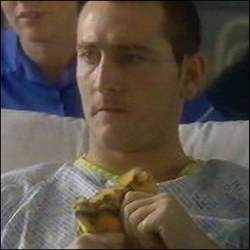
































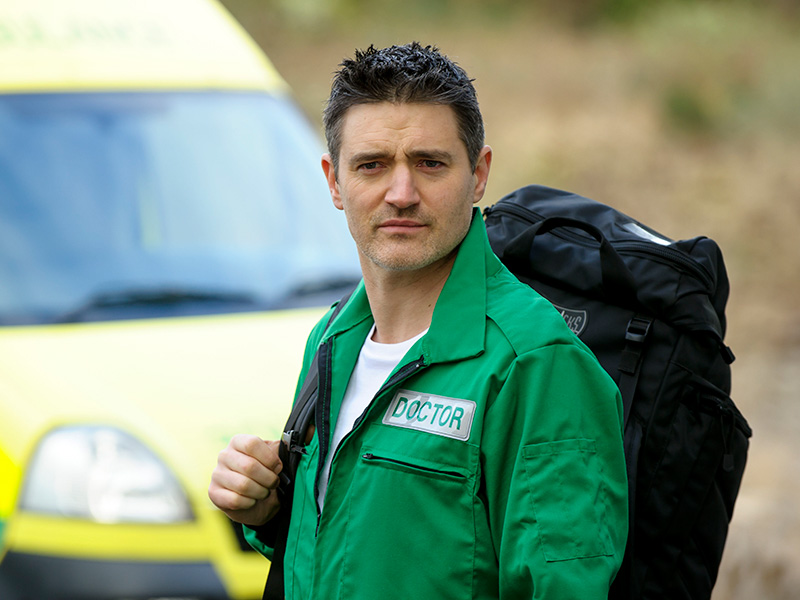













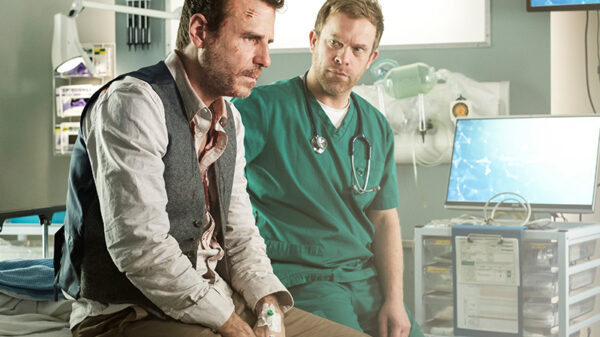




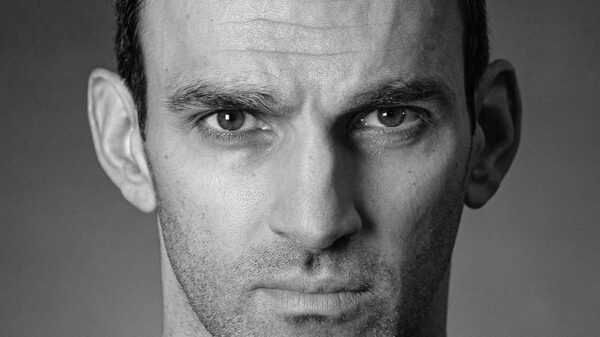






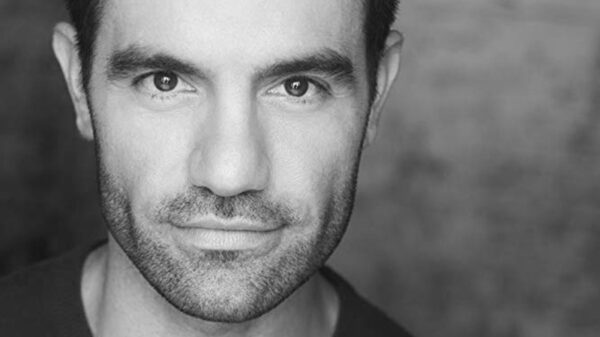
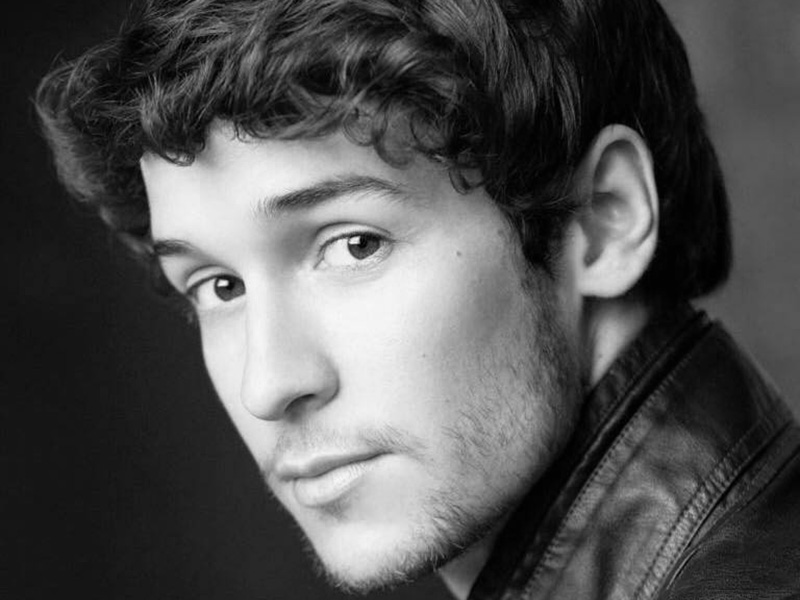





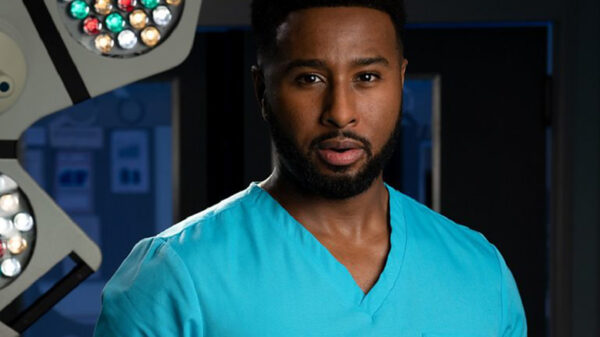



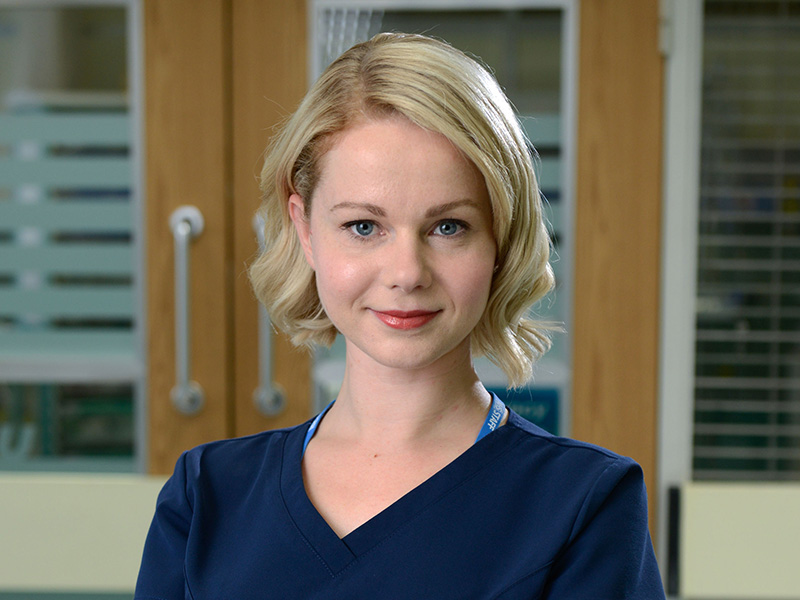














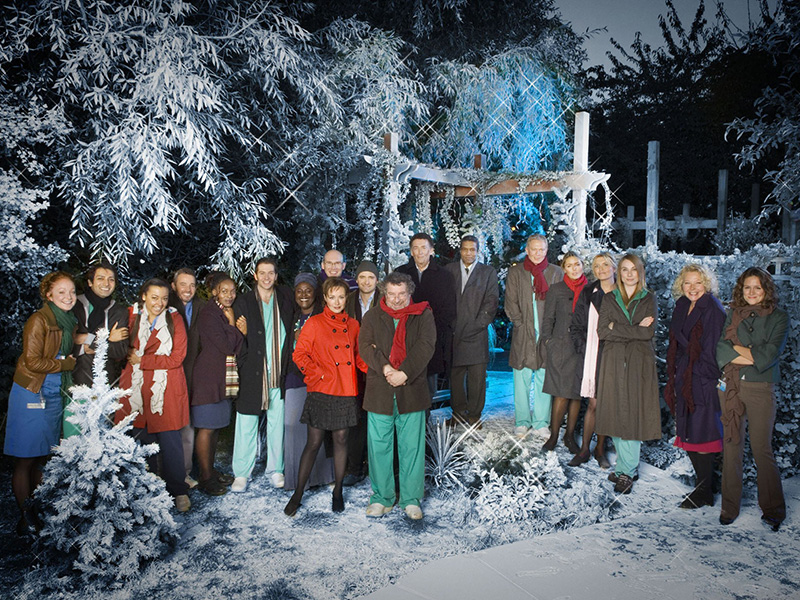












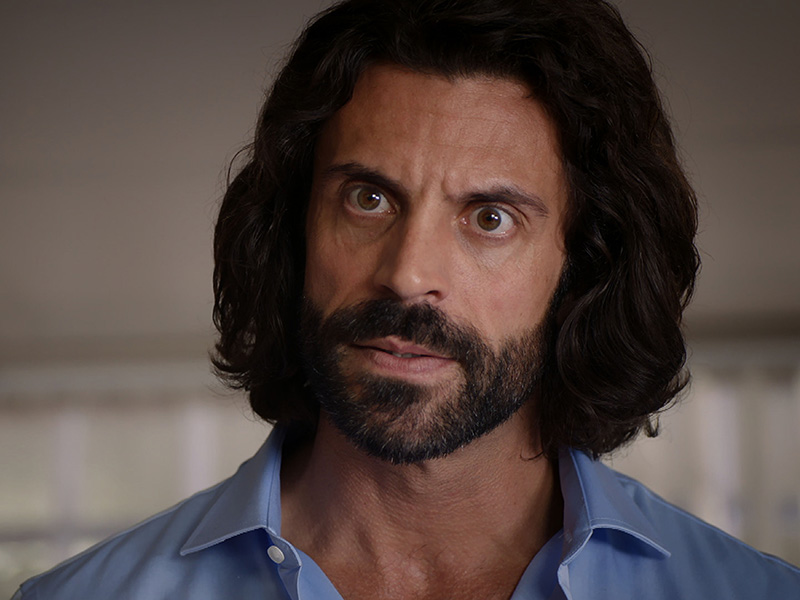







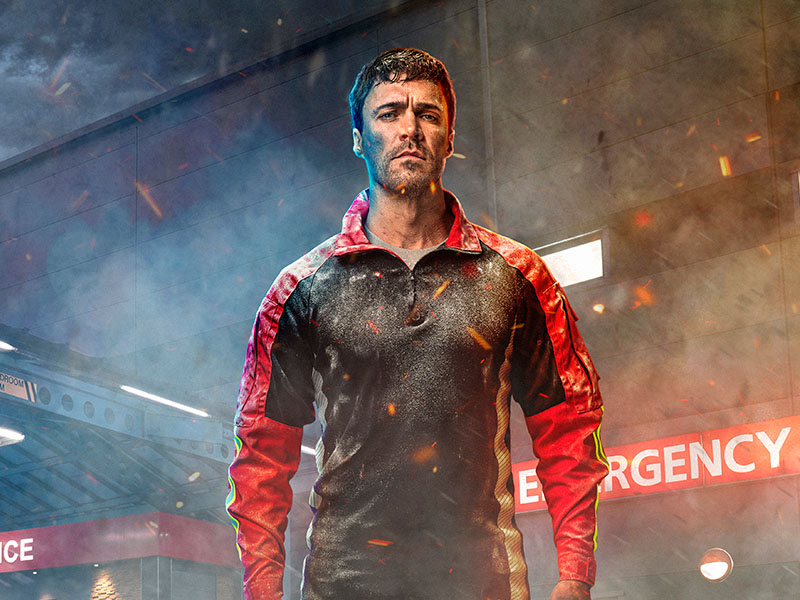
Olly Rix (Flynn) talks about CASUALTY’s upcoming 40th Anniversary episodes ..
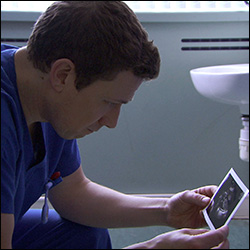
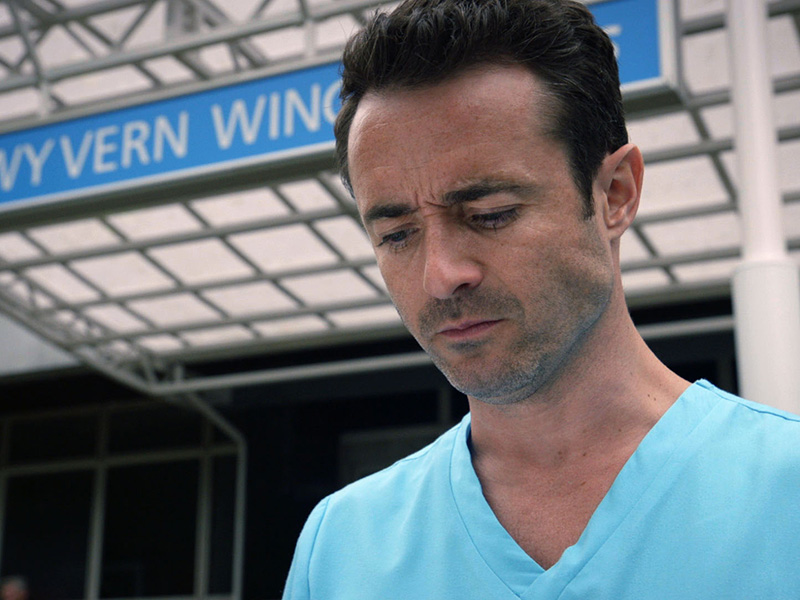
Flynn’s instinct is to help people, but some of his choices have devastating consequences. What did you find most interesting about that moral dilemma?
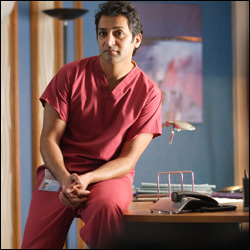
It’s a fair assessment. Flynn just can’t submit to rules and bureaucracy that disadvantage people. He’s always on the side of the weaker party, whether it’s his patients or his staff, he’s always ready to fight for someone else and it is as admirable as it is problematic. There’s an innocence or simplicity to it and it causes problems within the world he has to operate in: particularly as the clinical lead, where he’s asked to be a politician as well as a consultant. As an actor you always find the virtue in your role but with Flynn, I actually found it very readily. I have quite a lot of admiration for him as well as finding him exasperating at times.
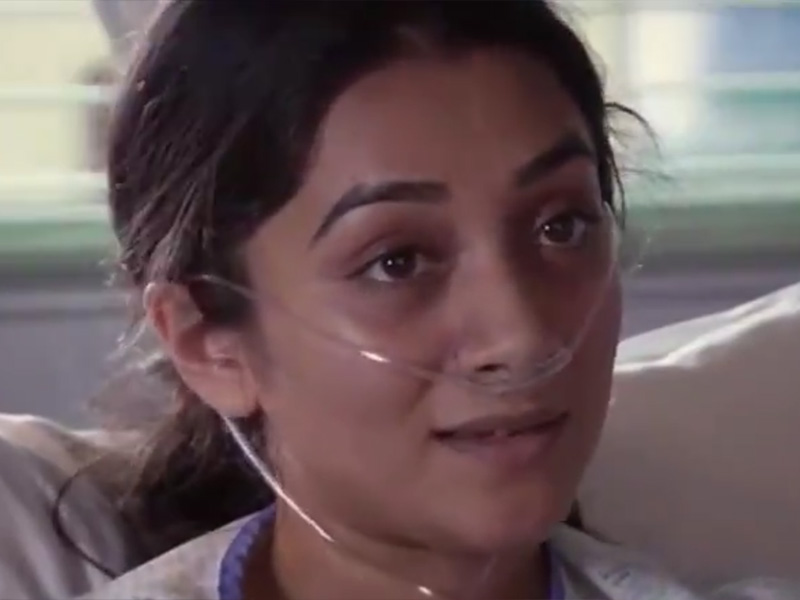
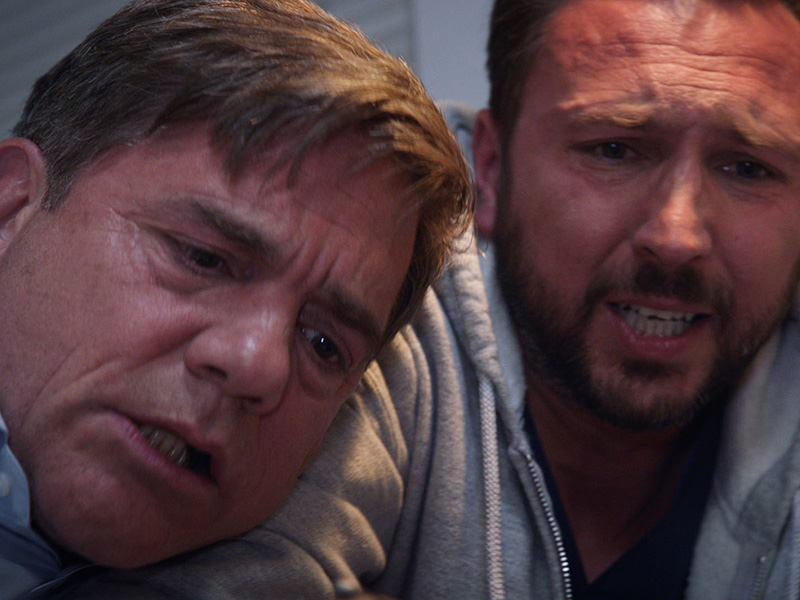
Flynn and Stevie are pushed to their absolute limits together. How does the ordeal change their relationship?
Flynn and Stevie’s relationship is special, and one of the joys of playing it has been watching the characters realise that long after everyone else. Other characters, and even the audience, saw it long before Flynn or Stevie. There’s an ease between them that means sometimes they take one another for granted, but then they’re thrust into the situation of this 40th episodes, where there’s a chance they might lose one half of this equation, and it penetrates right to the core of them.
What has it been like being part of such a landmark chapter in the show’s history?
An honour, really. You’re always grateful to be wanted by a production, and the production is always the star. I think in an episode like this, you feel that even more keenly as a member of the cast. You’re part of a continuum of many wonderful actors and producers that have gone before you and laid down four decades of brilliant television, some of whom feature or are referenced in the episode, and you’re carrying the baton into an ambitious future stage of this journey. I felt the weight of that, but also the pride of being picked for the game.
Flynn turns 40 during Casualty’s 40th anniversary story. Was that something you enjoyed playing with?
I did actually, as I turned 40 that same year and could relate to some aspects of what Flynn is wrestling with. The need to forge an identity in the world sort of begins to meet some aspects of life that you can’t control. You perhaps start to make peace with who you are rather than who you thought you would be. It’s a time when people start to worry about slowing down but also gain perspective. It’s also a time when I think you’re actually at your absolute best, despite the dread of a number, and Flynn’s narrative here is an undeniable nod to that – when it’s needed, he functions at his absolute best despite his fears. I liked that.
There are moments where Flynn is heroic and moments where he questions his own decisions. Is that complexity what makes him an interesting character to play?
Absolutely. Heroism isn’t linear or easy, and I think a sense of “it must be done” serves as an underpinning quality or instruction. A sense that, regardless of personal discomfort or cost, something bigger has to be served. It’s a quality that we explore with many characters in the show, and something that the show passes comment on quite frequently. The need to achieve an objective, even at great personal expense and risk, is very starkly presented as part of Flynn’s journey in this episode. Flynn is riddled with doubt about whether or not he can achieve it, yet he does it anyway. And then the baton is passed and other heroes step in to finish the story.
What has the show given you personally that you’re most grateful for?
There’s a glaringly obvious answer here. I met my fiancé on the show, when it was the last thing in the world I could have expected. I will always hold this show dearly in my memory and with deep gratitude for what it’s given me.
Why do you think audiences continue to see themselves reflected in Holby ED?
I think because the entire spectrum of experience is on display in a hospital. Birth to death, cradle to grave, one encounters the whole run. So it’s fertile ground for finding resonance with your own life or for simply cheering the wins of others or mourning their losses. It’s all on display here and I think that’s probably quite cathartic for audiences.
The anniversary episodes celebrate extraordinary moments, but Casualty has always been about ordinary people facing extraordinary circumstances. Why do you think that idea still resonates so strongly today?
Because we’re all ordinary. Because none of us can do it alone or in isolation. Because we’re all deeply flawed and often make poor or unaware decisions. Yet, despite that, the best parts of us still keep moving and striving. A lot of the stories we tell are about precisely that ability and I always find it quite moving. Perhaps at 40 I got more sentimental, or perhaps I gained better insight into why we tell stories and our need for doing so.